Water exploitation is referred to the extraction of water for irrigation and human consumption. Water exploitation is greatly connected with agriculture especially in the Mediterranean coastal region where intensive irrigated agriculture is widespread.
CAUSES OF EXPLOITATION OF WATER
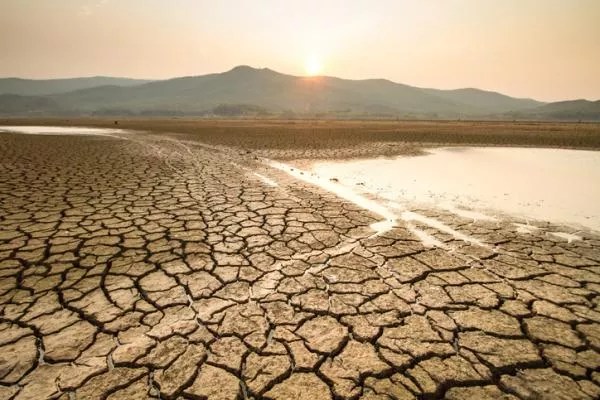
One of the main reason that leads to exploitation of water is the growing demand for this resource due to increasing world population.
Agriculture consumes more than 75% of water reserves and it’s production levels are increasing, which explains the threat posed by intensive and unsustainable practices for the conservation of the resources and it’s quality.
Another reason is the illicit collection of water through illegal wells. The way how groundwater is extracted has also resulted a turning point in the availability and depletion of water.
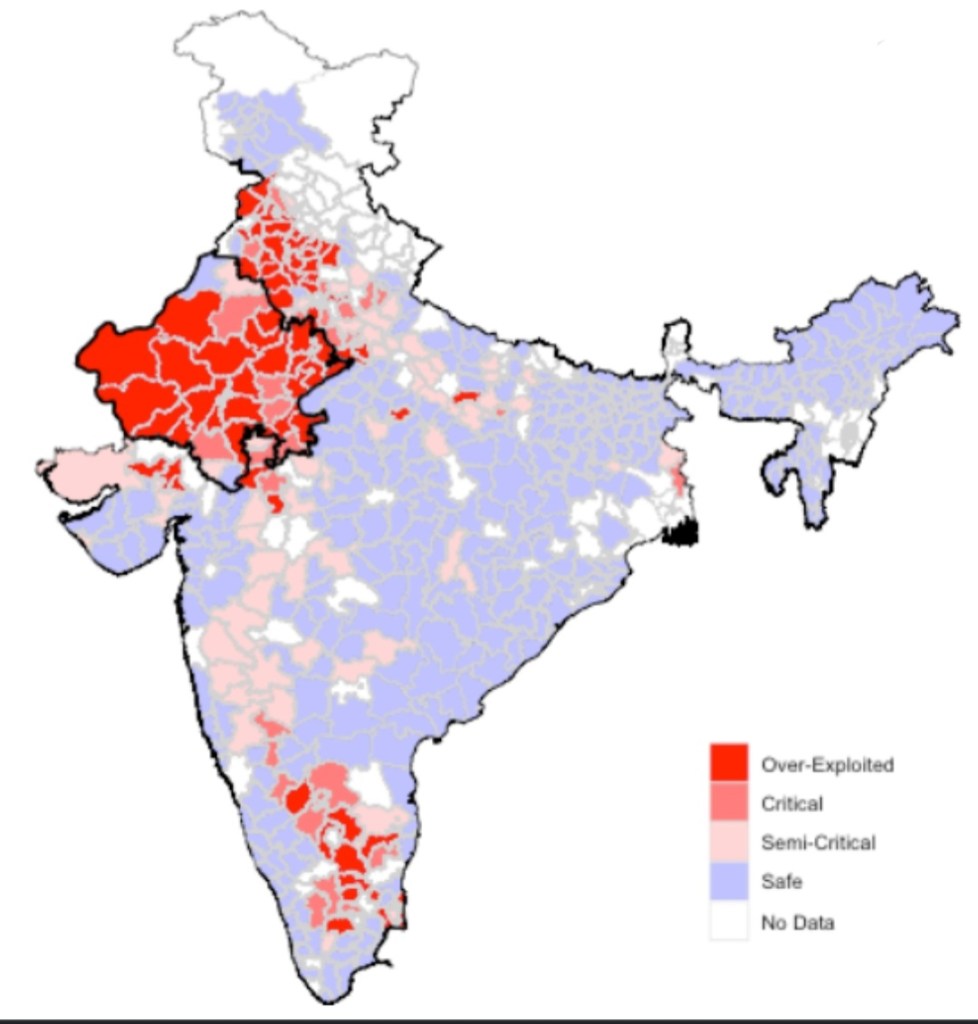
Improper training and education leads to a needless waste of safe, clean water every day, as well as overuse in areas that don’t require so much water. Despite being a populous country with diverse geography and climate, India does not have a comprehensive water policy. There are no proper guidelines available for the useage of surface water and groundwater by different sectors and different states.
Construction of dams, other hydroelectric projects, water diversion for irrigation has led to systematically destroying large river ecosystems.
EFFECTS
1. Lack of irrigation Without water, farmers can’t grow any crops, which leads to the death of nearly 1 million people every year.
2. Lack of hygiene 1/3 of the world’s population lives without access to a toilet. This leads to disease and kills nearly 1 million people each year.
3. Agricultural problems No water means no crops. Previous regions with a good amount of water have seen a decline in the groundwater, and without water, they cannot grow crops
4. Livestock problems The lack of water leads to the impossibility of keeping livestock, which in turn makes it even harder for people in arid regions to find food and income.
5. Malnutrition Due to lack of water and the ability to grow crops, malnutrition sets in, increasing the chance of disease and death. 160 million children suffer from chronic malnutrition linked to water and sanitation.
6. Societal Impact Improvements in society are halted due to a constant need to find water; 5-6 hours every day is spent looking for water on average. Collectively, women and children spend 125 million hours every day, collecting water
ENVIRONMENTAL EFFECTS
1. Increased salinity It is mainly due to the poor treatment of water and sanitation. This leads to more water being unsafe to drink
2. Nutrient pollution Algal growth caused by excessive nutrients in groundwater is rendering more water being unsafe to drink to high levels of nitrate.
3. Loss of foodplains Due to human expansion, it leads to the drying of riverbeds and loss of habitat.
4. Drying of riverbeds It is primarily due to poor agricultural practices and human expansion. This leads to loss of habitat and less water access for poor regions
5. Wetlands dissappearing Since 1900, about half of the world’s wetlands have been destroyed. Wetlands support some of the most productive habitats on the planet, high concentrations of animals including mammals, birds, fish and invertebrates and serve as nurseries for many of these species. Wetlands also support the cultivation of rice, a staple food of half the world’s population. They also provide a range of ecosystem services that benefit humanity, including water filtration, storm protection, flood control and recreation.
6. Ecosystem loss Water exploitation affects natural landscapes badly. The Aral Sea in central Asia, which was once the world’s fourth-largest freshwater lake, lost an area the size of Lake Michigan just in three decades. It is now as salty as an ocean due to the excessive pollution and the diversion of water for irrigation and power generation.
PREVENTION
With the continuous increase in urban population, the people living in cities are facing the problem regarding fresh water supply. Underground water is one of the major sources of water in cities. But excess pumping of the groundwater and less recharging is causing imbalance in the water table. If the over-exploitation continues, the water of the reservoirs will get depleted, the wells will go dry and it will be difficult to get them replenished.
To prevent depletion of water reservoirs and reduce over-exploitation, it is very important to effectively recharge groundwater aquifers in large scale at residential, commercial and institutional buildings to percolate rainwater to water table.
Recharging of bore wells: Bore wells can be recharged by directing filtered rainwater collected in filtration tank of the building to the wells. Rainwater is collected on the rooftop of the building and diverted to the filtration tank by drain pipes. In filtration tank water is filtered. First shower of the rain should be flushed out by separators.
Recharge pit:Recharge pits are small pits confined with brick or stone masonry walls with weep holes at regular intervals. These pits can be of any shape square, rectangular or circular. Filter materials should be filled at the bottom of the pit. The pit should be covered with perforated covers at the top. The capacity of the pit should be decided according to the catchment area, the intensity of rainfall and recharge rate of the soil.
Recharge dug wells: Dug wells are also used as recharge structure. Rainwater is diverted to these dug well from the catchment areas after passing it through a filtration bed. To enhance the recharge rate, it is very important to clean and desalt dug wells regularly.
Recharge trenches: Recharge trenches are suitable harvesting surface run-off. It is appropriate for small houses, gardens, playgrounds and roadsides, where the upper impenetrable layer of soil is shallow. The trench is dug in the ground and refilled with filter materials like pebbles, boulders or brickbats etc. The length of the trench depends on the expected run-off.
– YASHVI GANDHI
Student, KES Shroff College
 IMPACT OF LARGE SCALE EXPLOITATION OF WATER
Leave a comment